Medford-Klamath Falls Area Highlights Need for Stronger Cannabis Black Market Controls
The trending topic in Medford-Klamath Falls centers on the necessity of implementing stronger legislation to effectively control the black market for cannabis.

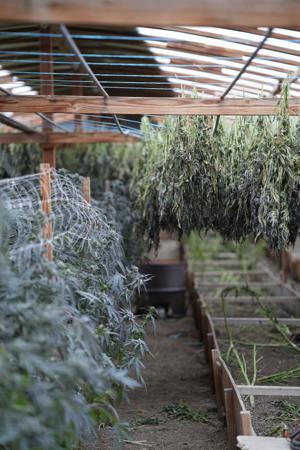
 Medford Klamath Falls, OR, November 11, 2026 — The Medford-Klamath Falls region is currently discussing the critical need for enhanced legislative measures to combat the illicit cannabis market. This trend underscores a growing concern among stakeholders regarding the impact and reach of unregulated cannabis sales.
Discussions in the Medford-Klamath Falls area are highlighting a significant focus on the necessity of enacting more robust legislation. The primary objective of these proposed legislative changes is to gain more effective control over the black market for cannabis. While the specific details of the proposed legislation or the entities advocating for it were not provided in the trend summary, the central theme revolves around strengthening regulatory frameworks.
A strong black market can present various challenges, including potential impacts on public health and safety, as products may not undergo the same rigorous testing and quality control standards as those sold through legal channels. Furthermore, the existence of an illicit market can undermine the economic benefits intended for the legal sector and local economies. The trend indicates a desire to address these issues through legislative means.
The urgency behind this call for stronger legislation in the Medford-Klamath Falls area stems from the perceived ineffectiveness of current measures in curbing black market activities. Without explicit details regarding enforcement, penalties, or specific legislative proposals, it remains unclear what specific changes are being advocated for. However, the overarching sentiment points towards a comprehensive review and enhancement of laws governing cannabis sales and distribution.
The contractor involved in implementing or advocating for these changes was not specified. Similarly, information regarding specific fine amounts for violations, code infractions, or the timeline for potential legislative action is not publicly available based on the provided summary. The trend, as it stands, reflects a broad regional conversation about the ongoing necessity of adapting legislation to keep pace with the evolving cannabis market dynamics.
Further details regarding the proposed legislative actions, the specific concerns driving the trend, and the entities involved would provide a clearer picture of the situation in Medford-Klamath Falls. The current focus remains on the identified necessity for more potent legal tools to manage and diminish the presence of the black market for cannabis.
Story summarized from the original created by Robert Alietti on www.kdrv.com, see more information here.
Media gallery