California Hospitals Rethink Maternity Care Amid Provider Burnout, Staffing Shortages, and Access Gaps
Innovation helps overwhelmed healthcare providers bridge gaps in maternal care, improve access, and support mothers and
Press Release Disclaimer: This is a press release distributed through the XPR Media network. It has not been independently verified by our newsroom.
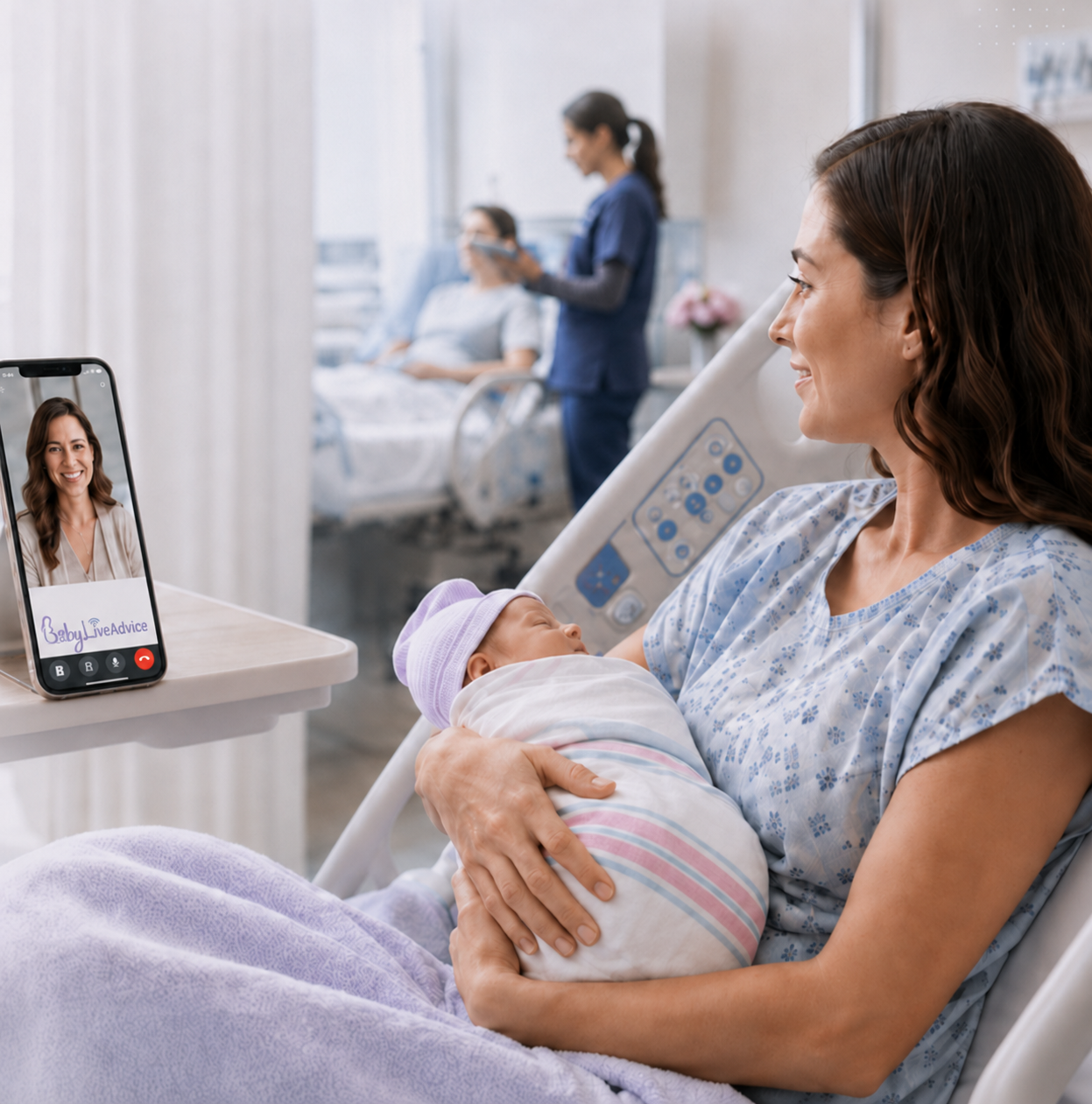

Innovation helps overwhelmed healthcare providers bridge gaps in maternal care, improve access, and support mothers and babies before and after birth.
LOS ANGELES, CA, UNITED STATES, November 3, 2026 /EINPresswire.com/ — Across California, maternity care is facing a difficult reality. Hospitals and healthcare organizations are navigating workforce shortages, clinician burnout, rising administrative demands, and growing pressure to improve maternal and infant health outcomes. Meanwhile, mothers are struggling to access timely, affordable, and coordinated care.
For women experiencing homelessness, food insecurity, language barriers, insurance delays, or limited transportation, navigating pregnancy and postpartum care can be especially challenging. Even mothers with insurance and established healthcare providers may face long waits for appointments, confusing medical information, and uncertainty about where to turn between visits.
The result is a widening gap between the care families need and the support they can readily access.
A Healthcare System Stretched Beyond Its Limits
Physicians, nurses, midwives, lactation consultants, behavioral health specialists, and other healthcare professionals are being asked to care for increasingly complex patient populations while managing staffing shortages, administrative burdens, and limited resources.
For mothers, these pressures can translate into delayed appointments, fragmented care, and insufficient support between clinical encounters.
A woman with gestational diabetes may need ongoing nutritional education and help understanding glucose monitoring. Another may be recovering from childbirth while struggling with breastfeeding, postpartum depression, or anxiety. Others face unstable housing, food insecurity, or difficulty obtaining mental health services.
Some mothers describe feeling dismissed or unheard when raising concerns. Others delay seeking care because they cannot afford transportation, miss work, or understand what their insurance will cover.
Maternal mental health deserves particular attention. Depression, anxiety, and suicidal thoughts can emerge during pregnancy or after childbirth, yet access to timely behavioral healthcare remains a significant challenge.
These are not isolated medical problems. They are interconnected challenges that require continuity, communication, and human connection.
Innovation That Supports Healthcare Professionals Rather Than Replaces Them
As healthcare systems search for solutions, an important opportunity lies in using technology to extend the reach of experienced clinicians rather than adding more responsibilities to already overwhelmed teams.
Virtual maternity care, remote patient monitoring, multilingual education, and coordinated follow-up can help bridge gaps between hospital visits and home.
One California-based example is BabyLiveAdvice, a nurse-led virtual maternal and infant healthcare company founded by nurse practitioner and healthcare innovator Sigalit Marmorstein.
The company has worked with healthcare organizations including UCLA, Cedars-Sinai, Dignity Health, Providence, Pomona Valley Hospital Medical Center, and MemorialCare to support maternal and infant care delivery.
Its programs include virtual discharge education, breastfeeding consultations, pregnancy and diabetes education, postpartum follow-up, mental health support, and newborn care guidance.
Rather than replacing bedside clinicians, the model complements hospital teams by extending access to specialized maternity professionals and helping families obtain support between clinical encounters.
“After nearly three decades in healthcare, I have watched dedicated professionals struggle within a system that keeps asking them to do more with less,” said Marmorstein. “We cannot expect better maternal and infant outcomes without changing how care is delivered. Innovation should reduce the burden on healthcare providers, extend access to trusted professionals, and ensure mothers and babies receive support throughout their journey.”
When One Conversation Changes Everything
The importance of this approach becomes clear in the experiences of mothers receiving care.
One mother, Kristin, sought breastfeeding assistance after her daughter was diagnosed with intrauterine growth restriction (IUGR).
With guidance from BabyLiveAdvice lactation consultant Lauren, Kristin reported that her baby gained three pounds in one month.
But during the consultation, Lauren also asked about Kristin’s emotional well-being.
Kristin explained that she had been referred to for therapy but was still waiting for insurance approval. Lauren helped arrange an appointment with Ana, an emotional support counselor.
Kristin attended the session and later described Ana as her “LIFESAVER,” saying the support helped her through some of the darkest days of her life. She subsequently began attending weekly therapy.
Her message ended with a simple statement: “Every mom should have this type of access.”
Her experience highlights why maternity care cannot be limited to a single diagnosis, appointment, or hospital stay. Breastfeeding, infant growth, maternal mental health, and insurance barriers often intersect.
The AI Paradox: More Information, Less Human Connection
Artificial intelligence, online searches, and social media have transformed how families access health information. But more information does not always translate into better understanding or safer decisions.
Pregnant women and new parents can receive conflicting answers about breastfeeding, pregnancy complications, medications, postpartum recovery, and newborn symptoms.
For a mother experiencing postpartum bleeding, worsening depression, decreased fetal movement, or concerns about her infant’s health, an automated response cannot substitute for appropriate clinical assessment.
“Women are not lacking information. They are drowning in it,” Marmorstein said. “What they need is access to someone they can trust—a healthcare professional who will listen, recognize when something is wrong, and help them navigate the next step.”
Technology can improve access, streamline communication, and support clinical workflows. But its greatest value may come from strengthening relationships between patients and healthcare professionals.
Improving Outcomes Requires Rethinking Access
Improving maternal and infant outcomes requires more than new technology. It demands better coordination between hospitals, outpatient providers, behavioral health professionals, insurers, and community services.
Virtual care alone cannot solve homelessness, food insecurity, workforce shortages, or unequal access. However, when integrated into clinical care, it can help remove barriers, improve continuity, and connect families with appropriate resources.
BabyLiveAdvice reports serving more than 150,000 women and families nationally through its programs and healthcare partnerships.
“We have to stop thinking about maternity care as something that happens only inside the hospital,” Marmorstein said. “A mother does not stop needing care when she goes home. And healthcare professionals should not have to carry the entire burden of a fragmented healthcare system.”
“The future of maternity care must be built around access, continuity, compassion, and supporting the professionals who care for our families.”
About BabyLiveAdvice
Kevin Smith
BabyLiveAdvice.com
Visit us on social media:
LinkedIn
Legal Disclaimer:
EIN Presswire provides this news content “as is” without warranty of any kind. We do not accept any responsibility or liability
for the accuracy, content, images, videos, licenses, completeness, legality, or reliability of the information contained in this
article. If you have any complaints or copyright issues related to this article, kindly contact the author above.

Media gallery