
Founded by MIT and Flagship Alum, AI Drug Discovery Company Reflector Bio Emerges from Stealth
The New York techbio company's biological foundation model predicts a compound’s efficacy in cells, adding a
Press Release Disclaimer: This is a press release distributed through the XPR Media network. It has not been independently verified by our newsroom.
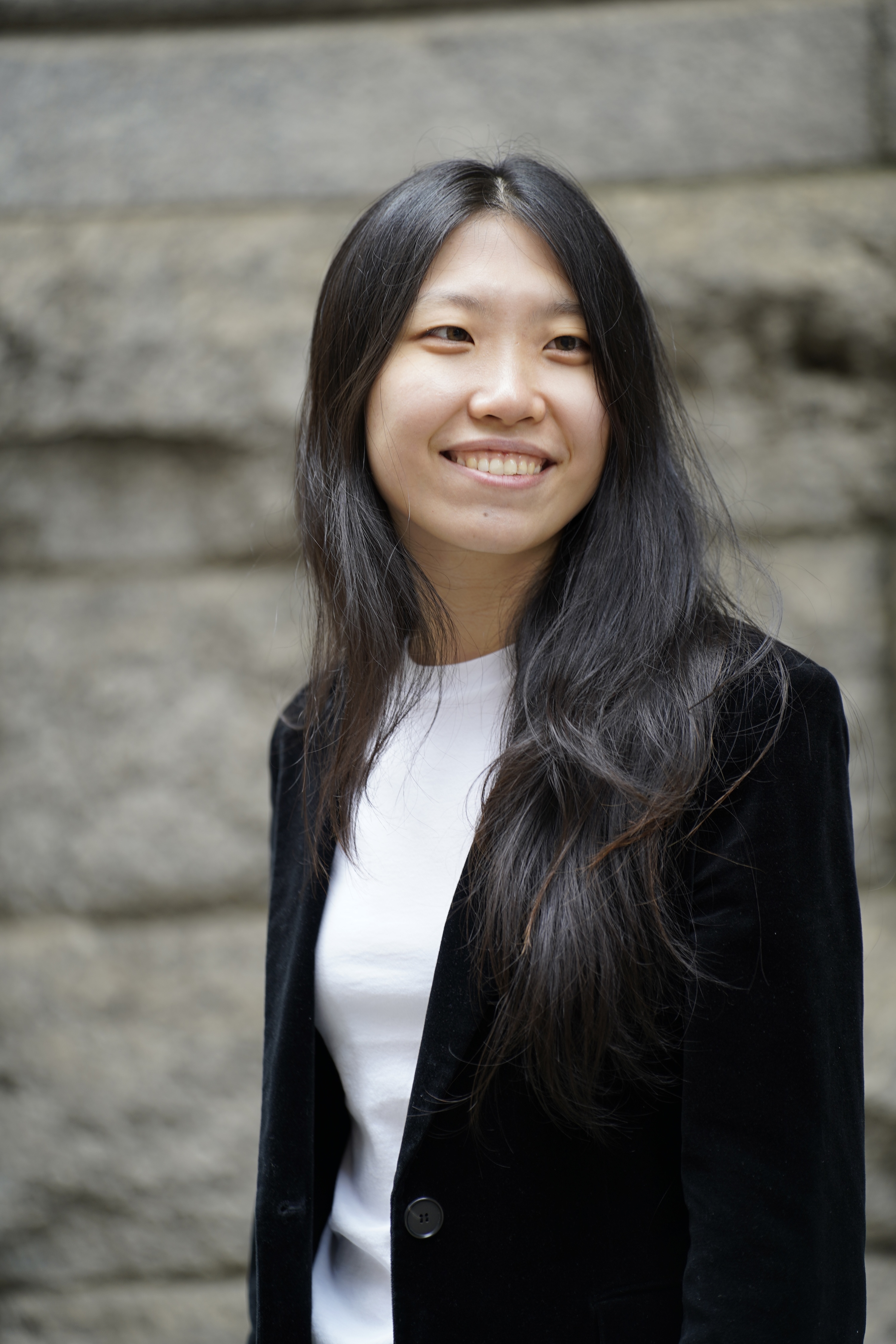

New York, NY, Oct. 22, 2026 (GLOBE NEWSWIRE) — Reflector Bio, founded by MIT-trained computational biologist and early employee at Flagship Pioneering’s Cellarity, Yuge Ji, today emerged from stealth with an AI drug discovery model that aims to make precision medicine faster and more affordable.
Reflector Bio founder and computational biologist, Yuge Ji.
Reflector has built what is, to its knowledge, the largest phenotypic model to date by experimental volume. Its platform has previously been used by biotech, academic researchers, as well as top 20 pharma. In a published study, Reflector virtually screened 1.9 million compounds and sent just five to in vitro validation. Four showed cell line-specific effects at high (50nM) potency, an 80% hit rate.
Reflector’s model targets the most expensive problem in drug development: roughly 92% of drug candidates fail in clinical trials, and bringing a single drug to market costs more than $2 billion on average once failures are counted. Since 1950, the cost of bringing a new drug to market has roughly doubled every nine years due to a lack of human translation, a trend known as Eroom’s law.
“For decades, the industry has been sitting on an enormous amount of functional data that no one could fully use. AI finally lets us learn from it at scale, and the timing couldn’t be more urgent,” said Ji, Reflector’s founder and CEO. “R&D costs keep climbing, and lower-cost assets from China are putting new pressure on biotech. Teams can no longer afford to spend their one shot on the wrong compound. Reflector makes sure they don’t have to.”
Built on a decade of research
Reflector’s technology comes from a decade of peer-reviewed work published in Nature Methods, Nature Biotechnology, Nature Medicine and Cell Systems. Ji’s experience spans a wide range of biological data, from microarrays and large-scale Luminex screens at the Broad Institute to sequence models at MIT CSAIL. Ji developed Reflector’s AI model during her PhD in the lab of Professor Fabian Theis, one of Europe’s leading AI-biology groups. That same technology predicted the compounds and drug combinations used to build the cancer plasticity atlas, a collaboration between Theis’s lab, the Wellcome Sanger Institute, and Parse Biosciences.
Collaborating with pharma companies today
Reflector is already in active collaborations with existing drug programs. KiraGen Bio, which develops engineered immune-cell therapies starting with recurrent glioblastoma, an aggressive brain cancer, uses Reflector’s model as the foundation for its internal AI drug development platform, KiraLOGIC.
“Glioblastoma leaves no room for wrong turns. Reflector helped us identify which combination of targets to pursue, and those targets are now moving into in vivo studies,” said Aaron Edwards, CEO, KiraGen Bio.
Predicting what drugs do, not just where they bind
Most AI in drug discovery — including tools like AlphaFold, Boltz and Chai — predicts how a molecule binds to a single protein. Reflector predicts what a drug does to living cells, in terms of function, efficacy, and safety: whether it kills cancer cells, causes toxicity, or reaches the brain. Those are the results that decide whether a drug moves into clinical trials, making them the most translational signals in preclinical drug development.
Many of medicine’s most important drugs were found this way. Penicillin and breakthrough treatments for cystic fibrosis and spinal muscular atrophy were discovered by observing practical outcomes in cells, before anyone fully understood why.
While phenotypic screening, finding drugs by what they actually do to cells, has produced some of the world’s best medicines, it has never fully scaled due to the money, time, and lab capacity required to roll it out successfully. Now, with AI, that’s changing.
“AI models can synthesize large scale phenotypic data and identify patterns at the scale of millions of experiments. This kind of phenotypic discovery presents an opportunity for much higher predictive validity — proper human translation — than the current industry standard,” Ji said. “Everything we’ve built is aimed at making sure teams aren’t sent on a year-long chase after the wrong treatment.”
Reflector trains its model on millions of real lab experiments, keeping only the most reliable 20% of the data it collects. It then tailors the model to each client’s own program and research questions.
“Our mission is a world where selecting the treatment is a solved problem,” Ji said. “The best drugs aren’t necessarily the ones we understand. They’re just the ones that work.”
Teams interested in a pilot can contact info@reflector.bio or visit reflector.bio.
About Reflector Bio
Reflector Bio is a New York-based techbio company building a biological foundation model for AI drug discovery that predicts a compound’s efficacy in cells. Trained on lab data from millions of experiments, its platform helps biopharma teams find promising compounds, understand how they work, flag safety risks early, and prioritize the experiments worth running. Founder and CEO Yuge Ji holds bachelor’s and master’s degrees in computer science and molecular biology from MIT and previously built drug discovery models at Flagship Pioneering’s Cellarity. Learn more at reflector.bio.
Press Inquiries
Katie Passarello
katie [at] gopitchwell.com
https://gopitchwell.com


